
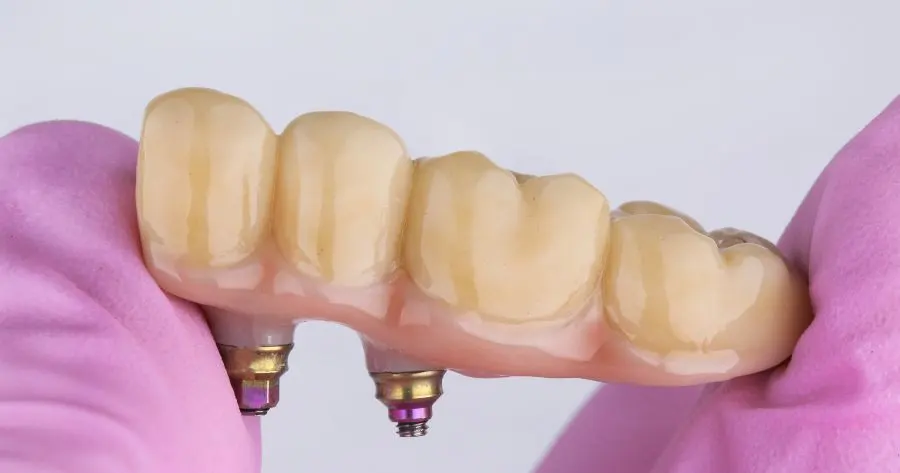
Losing a tooth can affect everything from your confidence to your ability to chew comfortably. When multiple teeth are missing, many patients assume dentures are their only option. Fortunately, that isn’t always the case. Depending on the location of the missing teeth, the health of the surrounding teeth, and your overall oral health, a dental bridge may be an effective solution.
At Crown Point Family Dentistry, we help patients throughout Charlotte and Matthews explore the best tooth replacement options based on their individual needs. If you’re wondering whether a bridge can replace several missing teeth, here’s what you should know.
What Is a Dental Bridge?
A dental bridge is a restoration designed to replace one or more missing teeth by “bridging” the gap between healthy teeth or dental implants. The replacement teeth, known as pontics, are supported by neighboring teeth or implants that provide stability and function.
Bridges have been used successfully for decades and remain one of the most common restorative dentistry solutions available today.
Can a Bridge Replace More Than One Missing Tooth?
In many cases, yes. Dental bridges can replace multiple missing teeth, particularly when the missing teeth are next to each other in the same area of the mouth.
For example, if you’re missing two or three consecutive teeth, a bridge may be able to restore both appearance and function without requiring a separate replacement for each tooth.
The key factor is having adequate support. The teeth or implants anchoring the bridge must be healthy enough to handle the additional pressure created by replacing multiple teeth.
Types of Bridges Used for Multiple Missing Teeth
Traditional Dental Bridges
A traditional bridge uses crowns placed on healthy teeth located on either side of the gap. These supporting teeth act as anchors for the replacement teeth in between.
This approach works well when the neighboring teeth already need crowns or have sufficient strength to support the restoration.
Implant-Supported Bridges
When multiple teeth are missing, many dentists recommend implant-supported restorations. Instead of relying solely on natural teeth, dental implants are placed in the jawbone to support the bridge.
An implant-supported tooth replacement solution often provides greater stability and can help preserve bone density over time.
Long-Span Bridges
For larger gaps involving several missing teeth, a longer bridge may be possible. However, the larger the span, the more stress is placed on the supporting teeth. Your dentist will evaluate whether a bridge is the best long-term solution or if implants may provide a stronger foundation.
When a Bridge May Not Be the Best Option
While bridges are highly effective, they aren’t ideal for every situation.
A bridge may not be recommended if:
- Too many consecutive teeth are missing
- The supporting teeth have significant decay or gum disease
- There is substantial bone loss in the area
- The bridge would place excessive force on neighboring teeth
In these situations, implant-supported solutions or other restorative options may provide a more predictable long-term outcome.
Bridge vs. Dental Implants for Multiple Missing Teeth
Dental Bridges
- Often completed more quickly
- Typically lower upfront cost
- Do not require oral surgery unless implants are involved
- Can provide excellent cosmetic results
Dental Implants
- Help preserve jawbone health
- Do not rely on neighboring teeth for support
- Can last decades with proper care
- Often considered the most natural-feeling replacement option
Many patients benefit from discussing both options during a consultation before making a decision.
What Happens During the Bridge Process?
The treatment process begins with a thorough examination and imaging to determine the health of the surrounding teeth and bone.
Step 1: Evaluation and Planning
Your dentist will evaluate the gap, assess bite alignment, and determine whether a bridge can be supported properly.
Step 2: Tooth Preparation
If a traditional bridge is planned, the supporting teeth are prepared to receive crowns.
Step 3: Impressions or Digital Scans
Detailed impressions are taken to create a custom restoration designed to match your natural smile.
Step 4: Final Placement
Once completed, the bridge is secured and adjusted to ensure proper fit, comfort, and function.
How Long Do Dental Bridges Last?
With proper care, many bridges last 10 to 15 years or longer. Daily brushing, flossing, and routine dental visits are essential to protecting both the bridge and the supporting teeth.
Patients who maintain regular preventive care and address problems early often enjoy excellent long-term results.
The Importance of Replacing Missing Teeth
Even if missing teeth aren’t visible when you smile, replacing them is important for maintaining oral health.
Gaps can lead to:
- Shifting teeth
- Bite problems
- Difficulty chewing
- Additional wear on remaining teeth
- Changes in facial appearance over time
Addressing tooth loss sooner rather than later often provides more treatment options and better long-term outcomes.
Next Steps: Explore Your Tooth Replacement Options
If you’re missing multiple teeth, a dental bridge may be a practical and effective solution. The best way to determine your options is through a personalized evaluation that considers your oral health, goals, and budget.
Learn more about restorative solutions for damaged and missing teeth and how they can help restore your smile.
Ready to discuss your options? Schedule a consultation through our Contact page and let our team help you find the right solution for a healthier, more confident smile.