
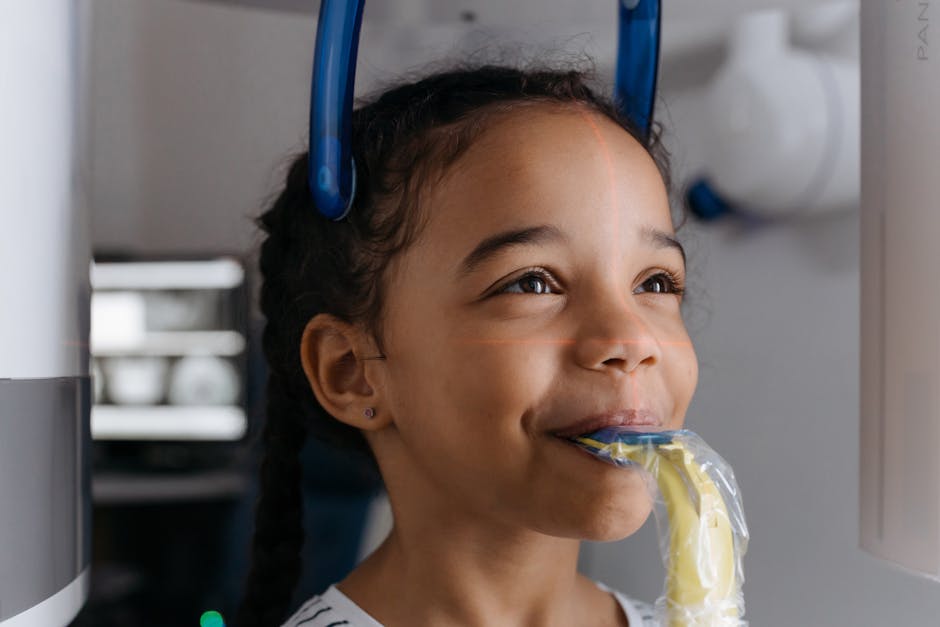
What Are Dental Fillings for Kids? Quick Facts for Parents
Dental fillings for kids are safe, common treatments that restore teeth after cavities (tooth decay). If you’ve noticed your child has a cavity, here’s what you need to know right away:
| What are dental fillings for kids? | Why are they needed? | Does it hurt? | How long do they last? |
|---|---|---|---|
| A dental filling repairs a tooth damaged by a cavity using special material like composite (tooth-colored), silver amalgam, or stainless steel crown. | Fillings stop cavities from getting bigger, relieve pain, and save baby or adult teeth for eating, talking, and proper alignment. | With numbing medicine and gentle care, most kids feel little or no pain—just a “sleepy” tooth for a few hours. | Most fillings last 5–10 years or more with good care.* |
- Nearly 1 in 2 children ages 6–8 has had a cavity in a baby tooth.
- Dentists use child-friendly anesthesia and calming techniques to keep kids comfortable.
- Baby teeth with cavities do need treatment to prevent pain, infection, and future dental problems.
“Dental fillings are one of the most common—and often anxiety-provoking—treatments for children, but with modern materials and gentle care, the experience is simple and safe.”
I’m Dr. Chris Cerasaro DMD. Over the past decade, I’ve helped hundreds of Charlotte families understand and steer dental fillings for kids—from the first sign of a cavity to a smooth, worry-free appointment.
Why Kids Need Fillings & How Cavities Form
Let’s take a closer look at why cavities matter so much for kids—and why those baby teeth really do deserve some extra TLC.
Cavities (also called dental caries) happen when bacteria in the mouth break down the hard enamel on a tooth. They feed on sugars and starches from food, producing acids that slowly eat away at tooth enamel. Kids are especially at risk—about 52% of U.S. children ages 6–8 have had a cavity in a baby tooth, and more than half of teenagers have had one in their adult teeth. Around the world, the numbers are even higher, with 60–90% of school-age children affected by tooth decay.
But why is this such a big deal? When a cavity is left untreated, it doesn’t just stay put. It grows bigger, causing pain, infection, and even problems with the way permanent teeth come in later on. Cavities in baby teeth can affect chewing, speech, and a child’s confidence to smile—or even just eat their favorite snack.
Do Baby Teeth Really Need Dental Fillings for Kids?
The short answer? Absolutely. Baby teeth are about so much more than just waiting for the tooth fairy. Treating cavities in baby teeth with dental fillings for kids helps in several important ways:
- Speech development relies on healthy baby teeth to help kids form sounds and words clearly.
- Proper spacing for adult teeth depends on baby teeth holding their spot until the grown-up teeth are ready to move in.
- Pain and infection prevention is key—untreated cavities can lead to severe pain, abscesses, and even serious infections.
- Daily function—kids need strong, healthy teeth to chew, smile, and feel confident.
Letting a decayed baby tooth “just fall out on its own” can set your child up for even bigger dental challenges down the road, like early tooth loss, misaligned permanent teeth, or dental emergencies. So yes, it’s worth treating those baby teeth!
Root Causes of Kids’ Cavities
So, why do so many children end up needing dental fillings for kids? Cavities often start because of a few key reasons. Diet plays a starring role—when kids eat a lot of sugary or sticky foods, bacteria in their mouths get extra fuel to produce acid and attack tooth enamel. Oral hygiene habits matter just as much. Infrequent brushing and flossing means plaque builds up and keeps attacking those little teeth.
There’s also the fact that baby teeth have thinner enamel than adult teeth, so they’re more vulnerable. Genetics can play a part too—some kids have inherited traits, like tooth shape or saliva differences, that make them more likely to get cavities. And if your child takes certain medicines or has a health condition that causes dry mouth, there’s less natural protection from saliva. Finally, not getting enough fluoride in water or toothpaste can make enamel weaker and more likely to get cavities.
Untreated cavities can lead to much more than just a sore tooth—they can cause tooth loss, infections that spread, and even affect your child’s health and development.
Want to learn more? Check out the CDC’s research on childhood cavities here.
Dental Fillings for Kids: Types, Pros & Cons
When it comes to dental fillings for kids, there’s no single “one-size-fits-all” answer. The right choice depends on your child’s age, where the cavity is, how big it is, and sometimes just what will make your little one feel most confident about their smile. Let’s walk through the most common options, so you can feel prepared when it’s time to make a decision at Crown Point Family Dentistry.
The four main filling materials used for children are composite resin, silver amalgam, stainless steel crowns, and glass ionomer. Each type has its own strengths and a few trade-offs, so it helps to know the basics:
| Material | Pros | Cons | Best For |
|---|---|---|---|
| Composite Resin | Tooth-colored, blends in, bonds to tooth, mercury-free, minimal drilling | Slightly less durable than metal in large fillings, may cost more | Front teeth, visible areas, small to medium cavities |
| Silver Amalgam | Very durable, fast to place, less expensive | Silver color, more tooth removal, contains mercury, tiny risk of allergy | Large cavities in back molars, kids who need quick treatment |
| Stainless Steel Crown | Extremely durable, covers whole tooth, minimal chair time | Silver color, covers whole tooth, may feel “bulky” at first | Extensive decay, baby molars, kids with high cavity risk |
| Glass Ionomer | Releases fluoride, bonds to tooth, tooth-colored | Less durable, wears faster | Small cavities, baby teeth, non-chewing surfaces |
Our team always talks through these choices with you, because every child’s needs and comfort level are unique. For a closer look at how crowns work for kids, check out our Dental Crowns for Children guide.
Composite (Tooth-Colored) Fillings
Think of composite fillings as the “undercover agents” of the dental world. They’re made to match your child’s natural tooth shade, so they’re practically invisible—no need to worry about anyone at school noticing! Composite resin bonds right to the tooth, which means dentists can be gentler and remove less healthy tooth structure. These fillings are mercury-free, safe for all ages, and with good brushing habits, they usually last 5 to 10 years or even more. For front teeth, visible spots, or if your child is sensitive about their smile, composites are a fantastic choice.
Silver Amalgam & When It’s Still Useful
Amalgam fillings—those classic silver ones—have stood the test of time. They might not win any beauty contests, but they’re tough as nails and especially handy for large back molars where most chewing happens. Amalgam is quick to place (a relief for wiggly little patients!) and generally more affordable. While they do contain a small amount of mercury, the ADA considers them safe for most children, except in rare cases of allergy or very young kids. Silver fillings may not be the first choice for visible teeth, but for a big cavity in a hard-to-reach spot, they’re sometimes still the best way to keep a tooth healthy.
Stainless-Steel Crowns for Extensive Decay
If your child has a tooth with major decay, a stainless-steel crown may be the best solution. Picture these as little “helmets” that cover and protect the entire tooth, letting your child chew confidently without pain. Crowns are quick to place, making them ideal for children who get nervous or have trouble sitting still in the dental chair. They’re also very durable, lasting until the baby tooth is ready to fall out naturally. Stainless-steel crowns are often used on baby molars or when several surfaces of the tooth are affected—helping kids avoid painful extractions or infections down the road.
Glass Ionomer Fillings
Finally, glass ionomer is another tooth-colored option, but a bit softer than composite. The special thing about glass ionomer is that it releases fluoride over time, which can help protect against more cavities. These fillings are best for small spots or for baby teeth that will be lost soon. They’re gentle and quick to place, though they don’t last as long as composite or metal.
No matter which option you choose, our goal is always a healthy, pain-free smile for your child—and a smooth, positive experience for you both. If you have questions or want more details about any filling type, our team at Crown Point Family Dentistry is always happy to help.
The Pediatric Filling Journey: Before, During & After
Let’s take the mystery out of what happens when your child visits Crown Point Family Dentistry for dental fillings for kids. Knowing what to expect can ease everyone’s nerves—yours included!
Preparing Your Child (and Yourself)
A little prep can make a big difference. Kids take their cues from you, so try to keep things positive and matter-of-fact. Avoid talking about “shots,” “needles,” or “pain”—kids are great at picking up on anxiety! Instead, you can tell them the dentist will “clean away the sugar bugs” and “fix the tooth so it feels all better.”
We use a friendly “tell-show-do” approach: we’ll explain each step in simple words, show your child our gentle tools (sometimes they even get to touch them!), and then do the procedure, always going at your child’s pace. Bringing along a favorite stuffed animal, blanket, or even a comfy pair of sunglasses is a great way to help little ones feel safe.
At home, role-playing can work wonders. Try practicing opening wide and counting teeth together—it’s like a dress rehearsal for the big day! And if you’re feeling anxious yourself, please let us know. We’re here to support the whole family and answer all your questions with patience and understanding.
Step-by-Step Procedure for Dental Fillings for Kids
When you arrive, our caring team welcomes your family and helps everyone feel at ease. Here’s how a dental fillings for kids visit usually unfolds:
First, we do a careful exam and may take X-rays to get a clear picture of the cavity. Next, we make sure your child is comfortable by applying a flavored numbing gel, followed by a tiny local anesthetic—most kids just describe their tooth as “sleepy” or “tingly.” If your child is especially nervous, we can talk about nitrous oxide (“laughing gas”) or other mild sedation to help them relax.
Once numb, we gently remove the decayed part of the tooth—our tools might buzz or tickle, but discomfort is rare. After cleaning away all the “sugar bugs,” we place the chosen filling material (like composite, amalgam, or a crown) and shape it to fit the tooth perfectly.
If we’re using composite, a special blue light hardens the filling in just a few seconds. We’ll check how your child’s teeth come together (“bite check”), smooth and polish the filling, and—if there’s any interest—let your child see their “new” tooth in the mirror.
Most appointments are quick, usually 20–45 minutes per tooth, and it’s all done in a single visit.
What to Expect Right After the Appointment
Afterwards, your child’s mouth may feel numb for another hour or two. Remind them not to chew on their cheek or lip—it’s easy to accidentally bite themselves and not even notice! It’s best to stick with soft foods like applesauce, yogurt, or mashed potatoes until the “sleepy” feeling is gone.
Some kids have a bit of sensitivity to hot or cold for a couple of weeks, but this fades quickly. If your child does experience swelling (pretty rare), a cold pack and children’s pain relievers usually help.
We always send you home with clear aftercare instructions, and if you have any questions or concerns, our team is just a phone call away.
Want to learn more about our caring approach? Check out our Comprehensive Pediatric Dental Care page for details.
Caring for Fillings & Preventing Future Cavities
A dental filling for kids is like a bandage for a tooth—it fixes the problem spot. But healthy habits are what keep those “ouchies” from coming back! After your child gets a filling, it’s extra important to stick to a great dental care routine at home.
Brushing gently with a soft, child-sized toothbrush and a dab of fluoride toothpaste twice a day is the gold standard. Little hands may need your help, especially at night when teeth need that last clean before bed. Flossing once a day gets into those tight spots where toothbrushes just can’t reach—back teeth are popular hiding spots for sneaky cavities.
After a filling, it’s wise to go easy on sugary snacks and juices. Bacteria love sugar, and even the best fillings can’t protect against a steady diet of sticky treats. Encourage water as the drink of choice (bonus: it rinses food away and keeps mouths fresh). If your child plays sports, a mouthguard keeps both teeth and dental fillings safe from bumps and falls.
For extra defense, ask us about dental sealants. These clear coatings “seal” the chewing surfaces of molars, blocking food and bacteria from settling into grooves. Many kids are great candidates—you can learn more on our Dental Sealants for Children page.
Don’t forget regular dental checkups! Visiting every six months lets us keep an eye on old fillings, spot any new trouble early, and answer all your questions. At Crown Point Family Dentistry, we love cheering your child on as they build strong, healthy habits.
How Long Do Dental Fillings for Kids Last?
The lifespan of a dental filling depends on the material and how well it’s cared for. Composite fillings usually last 5–10 years. Silver amalgam can last from 10–20 years in adult molars. Stainless-steel crowns are made to last until the baby tooth naturally falls out.
You’ll know a filling might need to be replaced if your child complains of pain that sticks around, if you see cracks, chips, or gaps, or if a filling comes out entirely. Routine checkups help us catch these issues early and keep little smiles problem-free.
What To Do If a Filling Falls Out or Hurts
If a filling falls out or starts to hurt, don’t panic—these things happen! Have your child rinse their mouth gently with warm water, and avoid chewing on that side. Give children’s pain medicine if needed, and offer soft, cool foods. Call our office to set up a repair as soon as possible.
Watch for any signs of infection such as fever, swelling, or pus. If you notice these, call us right away for urgent care. We’re always here for your family, whether it’s a small worry or a big dental emergency.
Building everyday habits and knowing what to do if something goes wrong helps keep your child’s dental fillings for kids—and their whole smile—healthy for years to come. For more tips or to schedule your next visit, our caring team at Crown Point Family Dentistry is just a call away!
Frequently Asked Questions About Dental Fillings for Kids
We know parents have lots of worries when it comes to dental fillings for kids. You’re not alone! Here are some of the questions we hear most often—with honest, reassuring answers from our team.
Will My Child Feel Pain During the Filling?
This is the biggie for most families. Thankfully, with today’s gentle care, the answer is almost always no. At Crown Point Family Dentistry, we start with a fruity-flavored numbing gel to make the area comfortable, then give a tiny local anesthetic to keep things truly pain-free. If your child is feeling nervous, we can also use nitrous oxide (“laughing gas”) for extra relaxation.
Most children report feeling some vibration or pressure, maybe a bit of “buzzing”—but not pain. In fact, many kids are surprised how easy their first filling is!
Did you know? Although about 4 out of 10 kids feel anxious before a dental procedure, most say they felt little or no pain during or after their filling.
Are There Any Side Effects or Risks?
Dental fillings for kids are very safe when placed by experienced hands. Still, it’s normal to watch for a few minor side effects:
You might notice mild sensitivity to hot or cold foods—this usually fades within a week or two. Rarely, swelling can occur, but a cold pack on the cheek is usually all that’s needed. If your child has any allergies, let us know before the visit. Allergic reactions to filling materials—especially with metals—are extremely rare, but we always want to be careful.
Some parents ask about mercury in silver (amalgam) fillings. The good news: modern research shows the risk is extremely low, and we typically avoid silver fillings in very young children anyway. For most kids, composite (tooth-colored) fillings are the go-to choice.
Can Future Cavities Be Completely Prevented?
It’s every parent’s dream: a lifetime of cavity-free checkups! While we can’t promise zero cavities, you can tip the odds in your child’s favor with good daily habits and regular visits. Help your child brush and floss, limit sticky sweets and sugary drinks, and consider dental sealants for children to protect those back teeth. And of course, stick to those twice-a-year checkups so we can catch little problems early.
You’re doing a great job even by asking these questions—and we’re here to support you every step of the way on your child’s journey to a healthy, confident smile!
Take the Next Step Toward Cavity-Free Smiles
Choosing the right partner for your child’s dental care is a big step—and at Crown Point Family Dentistry, we’re here to make it a positive one. For more than 50 years, our Charlotte dental team has helped families grow up with healthy, happy smiles. We believe every child deserves gentle, personal attention and the latest dental technology, whether they’re coming in for a checkup or dental fillings for kids.
We know that cavities can feel overwhelming, but you’re not alone. From your very first call, our caring staff walks you through every step—answering questions, easing nerves, and making sure your child feels safe and confident. Our approach isn’t rushed or cookie-cutter. We take time to get to know your family, explain your child’s options, and help you choose the best care for their bright future.
Curious about what makes our pediatric dental care special? Visit our Pediatric Dentistry in Charlotte page. You’ll find more on our services, our kid-friendly environment, and how we help children of all ages feel right at home.
Ready to experience the difference professional whitening can make? Crown Point Family Dentistry is your local partner for safe, brilliant smiles that last. Schedule your consultation today, and take the first step toward a brighter, more confident you!
