
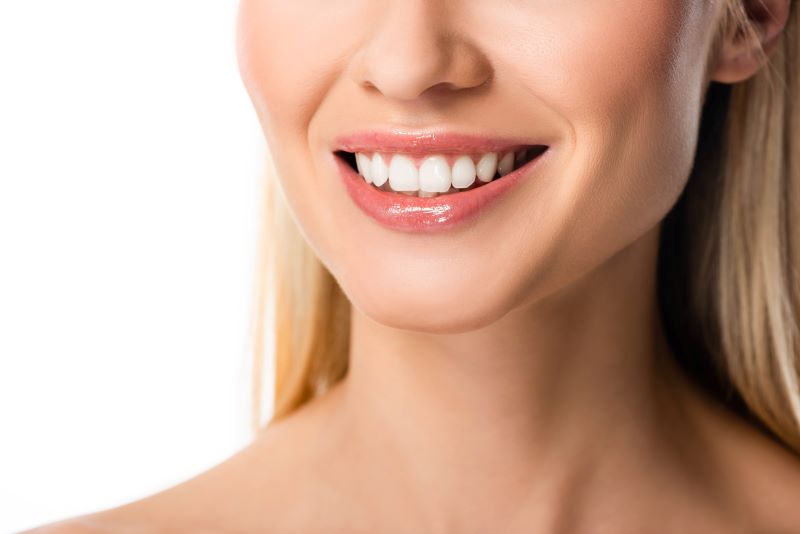
Dental Veneers: Types, Lifespan, and How to Make Them Last
A bright, confident smile can make a powerful first impression. But chipped, cracked, discolored, or uneven teeth can leave many people feeling self-conscious. Dental veneers are a popular cosmetic dentistry solution designed to restore the appearance of your teeth and enhance your smile.
If you’re considering veneers, you likely have a few important questions:
- What exactly are dental veneers?
- How long do they last?
- What can you do to extend their lifespan?
Let’s explore the answers.
What Are Dental Veneers?
Dental veneers are thin, custom-made shells that are placed over the front surface of teeth to improve their appearance. They are commonly used to correct:
- Discoloration or deep stains
- Chips and cracks
- Gaps between teeth
- Misshapen or uneven teeth
- Teeth that appear too small or worn
Veneers are designed to look natural, blend seamlessly with your surrounding teeth, and provide a durable cosmetic enhancement. In addition to improving aesthetics, veneers can also offer a layer of protection to weakened enamel.
Types of Dental Veneers
While all veneers are thin and designed for cosmetic improvement, the material used affects durability, appearance, cost, and longevity. The three most common types include porcelain, composite, and instant (removable) veneers.
Porcelain Veneers
Porcelain veneers are widely considered the gold standard in cosmetic dentistry. These thin ceramic shells are custom-crafted and bonded permanently to the teeth.
Benefits:
- Highly natural appearance
- Excellent stain resistance
- Strong and long-lasting
- Expected lifespan: Up to 10–15 years (or longer with excellent care)
Although porcelain veneers have a higher initial cost, they tend to require fewer repairs or replacements over time.
Composite Veneers
Composite veneers are made from tooth-colored resin and sculpted directly onto the tooth.
Benefits:
- Lower upfront cost
- Faster placement process
- Can be repaired more easily than porcelain
Considerations:
- More prone to staining
- Less durable than porcelain
- Expected lifespan: Approximately 5–7 years
Composite veneers offer good cosmetic improvement at a more affordable price point, though they may need more maintenance.
Instant (Removable) Veneers
Also called snap-on or removable veneers, these fit over your natural teeth like a mouthguard and are not permanently bonded.
Benefits:
- Least expensive option
- Non-invasive
- Removable
Considerations:
- Bulkier appearance
- Less natural look
- Limited durability
- Expected lifespan: Around 2–5 years
These are typically chosen as a temporary or cosmetic-only solution rather than a long-term treatment.
How to Make Your Veneers Last Longer
Proper care plays a major role in how long your veneers remain beautiful and functional.
- Brush at least twice daily with a non-abrasive gel toothpaste
- Floss once per day to protect gum health
- Avoid whitening toothpastes and products containing baking soda or hydrogen peroxide
- Limit staining foods and beverages such as coffee, tea, and red wine
- Do not chew ice, pens, or hard objects
- Wear a night guard if you grind or clench your teeth
- Schedule regular dental checkups and cleanings
With good oral hygiene and professional monitoring, veneers can maintain their appearance for many years.
Are Dental Veneers Right for You?
Dental veneers are a versatile solution for many cosmetic concerns, but the best choice depends on your goals, oral health, and budget. A consultation with an experienced dentist will help determine the most appropriate veneer type for your smile.
Crown Point Family Dentistry
Unhappy with your smile? Our family dentist in Charlotte offers personalized cosmetic dentistry solutions, including dental veneers, to help you achieve a confident, natural-looking smile. Contact our office today to schedule your consultation and take the first step toward loving your smile again.
