
Recovering from wisdom tooth extraction is much easier when you know exactly what to eat and drink and what to avoid. At our family dentist office in Charlotte, our goal is to help patients heal quickly and comfortably after oral surgery. Choosing the right beverages plays a major role in reducing irritation, preventing complications, and keeping you hydrated while your mouth recovers.
If you’re preparing for wisdom teeth removal in Charlotte or you’ve recently had the procedure, this guide outlines the best soothing drinks to support healing, along with options you should stay away from during recovery.
Why What You Drink Matters After Wisdom Teeth Removal
For the first few days after extraction, your mouth is healing from a surgical procedure. The blood clot that forms in each extraction site is essential. It protects the underlying bone and nerves, prevents painful dry socket, and gives the gums time to close properly. Drinking the wrong beverages can dislodge the clot, cause inflammation, or introduce irritation to the surgical area.
This is why your oral surgeon provides strict guidelines following wisdom tooth extraction, and why choosing soothing, gentle liquids is a key part of your first few recovery days.
The Best Drinks for a Smooth, Comfortable Recovery
Below are dentist-recommended drinks that help you stay hydrated, nourished, and comfortable after your procedure.
1. Cool Water
Simple and essential. Cool (not icy) water keeps you hydrated and helps your mouth stay clean. Drink small sips slowly to avoid disrupting the healing tissue.
2. Smooth Broths and Soups
Warm, thin soups like chicken broth, vegetable broth, or bone broth provide nourishment without requiring chewing. Avoid soups with chunks until your mouth is further along in healing.
3. Milk
Milk is gentle on the tissues, provides protein, and can help soothe irritation. It also pairs easily with smoothies for added creaminess.
4. Meal Replacement Drinks
Options like Ensure or protein shakes (thinned with water or milk) work well when you can’t eat solid food. Avoid using a straw; use a cup or spoon to protect the extraction site.
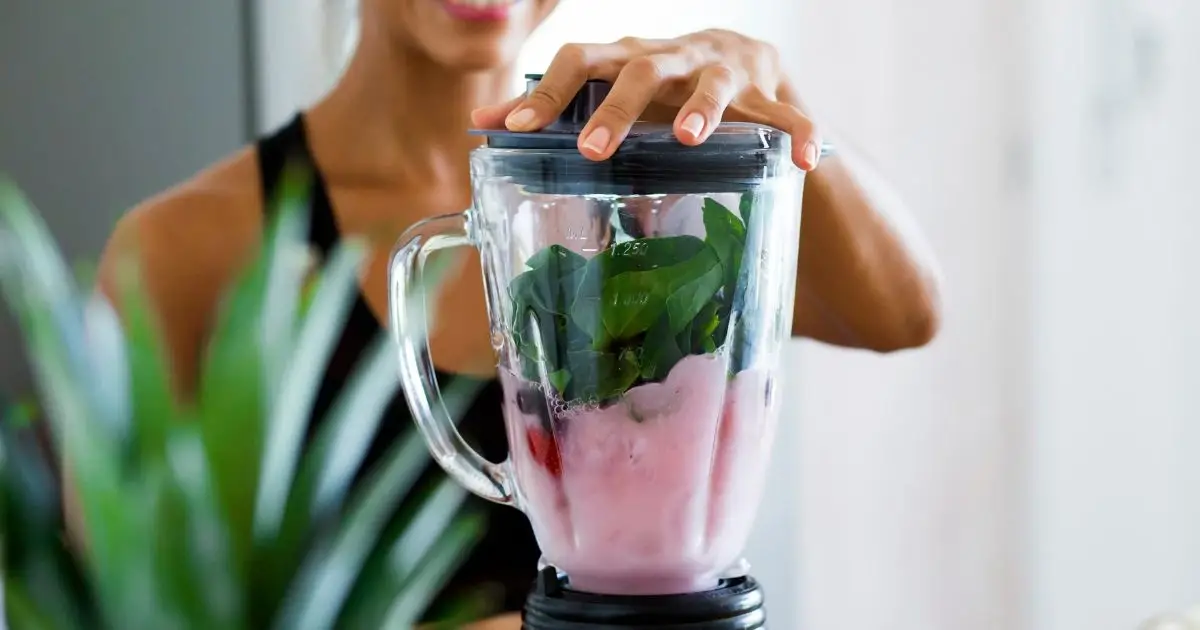
5. Fruit Smoothies
Smoothies are one of the best ways to get nutrients during recovery. Use soft fruits like bananas, mangos, peaches, or berries, and blend them with yogurt or milk. Keep the texture thin and sip slowly from a cup.
6. Herbal Teas
Caffeine-free teas like chamomile or ginger tea can reduce inflammation and soothe the throat. Let the tea cool before drinking to avoid heat irritation near the surgical area.
7. Electrolyte Drinks
Hydration is important after anesthesia. Drinks like Pedialyte or low-sugar sports drinks can help restore electrolytes without irritating the mouth.
Drinks to Avoid After Oral Surgery
Some beverages can increase discomfort or interfere with healing. Avoid the following until your oral surgeon advises otherwise:
1. Straws of Any Kind
This isn’t a drink, but the method matters. Suction from a straw can dislodge the blood clot and lead to a dry socket. Always sip from a cup.
2. Carbonated Beverages
Sodas and sparkling water can cause fizzy irritation in the extraction site and prolong healing.
3. Alcohol
Alcohol thins the blood, interferes with pain medication, and slows healing. Avoid it completely until your post-op appointment clears you.
4. Hot Beverages
Anything too hot, tea, coffee, or cider, can dissolve the clot and irritate the gum tissue. Let drinks cool before consuming.
5. Acidic Beverages
Citrus juices and tomato-based drinks can sting the surgical area and cause inflammation.
How Long Should You Stick to Soft Drinks?
Most patients should expect to drink only liquids for the first 24 – 48 hours. By day three, you can introduce soft foods like mashed potatoes, yogurt, or applesauce. Your oral surgeon will give personalized instructions based on the complexity of your procedure.
If your case involved impacted or complicated extractions, your timeline may be slightly longer. The team at Crown Point Family Dentistry provides individualized guidance during your wisdom teeth removal consultation so you know exactly what to expect throughout the healing process.
Tips to Support Faster Healing
Keep Your Head Elevated
Elevation reduces swelling and supports clot formation.
Rinse Only When Advised
Never rinse vigorously during the first 24 hours. Later, your provider may recommend gentle saltwater rinses.
Avoid Spicy or Crunchy Foods
These can irritate or damage the healing tissue.
Follow All Post-Op Instructions Carefully
Your oral surgeon’s guidance includes pain control, swelling management, and activity restrictions that protect your healing mouth.
Signs You May Need to Contact Your Oral Surgeon
Mild discomfort is expected, but call your provider if you experience:
- Severe or increasing pain after day three
- Persistent bleeding
- Foul taste or bad breath that doesn’t improve
- Fever or chills
- Visible socket opening or exposed bone
Your comfort and safety are our priority, and our team is available to assist you throughout recovery following your wisdom tooth removal.
Next Steps: Schedule Your Wisdom Teeth Consultation
Choosing the right drinks after surgery can make recovery smoother, safer, and far more comfortable. If you’re experiencing jaw pain, swelling, or your dentist has recommended extraction, now is the perfect time to learn more about the process.
Schedule your visit today through our Contact page and meet with a team that prioritizes your comfort, education, and long-term oral health.
Next step after this guide
Still planning to have them removed?
The drinks in this post only help if the visit itself is planned well. Dr. Chris Cerasaro uses 3D imaging to see how the teeth sit, then walks you through the first 48 hours, including what to sip while the clot forms.
Office on Monroe Road in the Crown Point business area. Monday–Thursday 8–5, Friday 8–1.