Closing the Gap: Understanding Bridges for Missing Teeth
Bridges for missing teeth are fixed dental prosthetics that replace one or more lost teeth by anchoring artificial teeth (pontics) to the natural teeth on either side of the gap. They typically last 5-15 years and cost between $1,500-$5,000 for traditional bridges, depending on materials and location.
| Quick Facts: Bridges for Missing Teeth |
|---|
| Purpose: Replace 1-4 missing teeth in a row |
| Types: Traditional, Cantilever, Maryland, Implant-supported |
| Materials: Porcelain, metal, zirconia, or combinations |
| Procedure: Usually requires 2-3 dental visits |
| Lifespan: 5-15 years with proper care |
| Cost Range: $1,500-$15,000 depending on type |
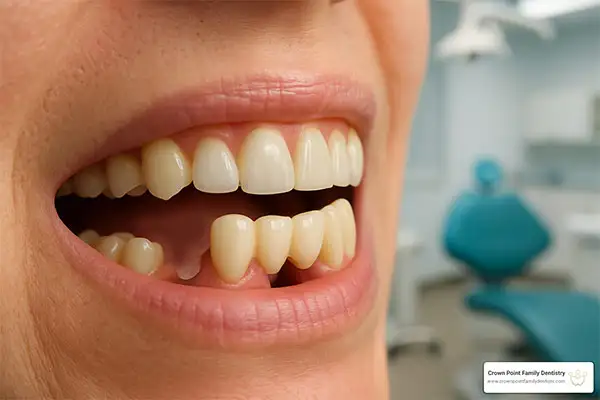
Living with gaps in your smile affects more than just your appearance. Missing teeth can cause remaining teeth to shift, create problems with your bite, affect your speech, and even lead to bone loss in your jaw. These gaps may also impact your self-confidence and willingness to smile freely.
When a tooth is lost, whether from decay, injury, or disease, the empty space it leaves behind creates a domino effect of oral health issues. Adjacent teeth may tilt toward the gap, opposing teeth might over-erupt, and your facial structure could eventually change as bone begins to deteriorate.
A dental bridge literally “bridges” this gap, restoring both function and aesthetics to your smile. Unlike removable options such as partial dentures, bridges offer a fixed solution that feels and functions more like your natural teeth.
I’m Dr. Chris Cerasaro DMD, and I’ve helped hundreds of patients restore their smiles and confidence with bridges for missing teeth during my years practicing dentistry in Charlotte after earning my doctorate from the Medical University of South Carolina. Let me guide you through everything you need to know about this effective solution for tooth loss.
Why Gaps Matter
When you lose a tooth, the consequences extend far beyond aesthetics. The American College of Prosthodontists estimates that more than 36 million Americans have no remaining teeth, and this number is expected to rise alongside serious health risks. Here’s why those gaps deserve your attention:
Bone Loss: Your jawbone needs stimulation from tooth roots to maintain its density and volume. Without this stimulation, the bone begins to resorb or shrink—up to 25% of bone width can be lost in the first year after tooth extraction. This progressive bone loss can lead to a prematurely aged appearance as facial support diminishes.
Shifting Teeth: Nature abhors a vacuum, and your mouth is no exception. Teeth adjacent to a gap tend to tilt or drift toward the empty space. Meanwhile, teeth in the opposing jaw may super-erupt (grow longer) in an attempt to find contact. This migration disrupts your bite alignment and can cause issues with your temporomandibular joint (TMJ).
Speech Issues: Your teeth play a crucial role in speech formation. Missing teeth, particularly front teeth, can affect your ability to pronounce certain sounds correctly. Many patients with tooth gaps develop compensatory speech patterns that can be difficult to correct later.
How This Guide Helps
Navigating dental treatment options can feel overwhelming. Our goal with this comprehensive guide is to provide you with:
A Step-by-Step Roadmap: We’ll walk you through the entire process from initial consultation to final placement and long-term care of your dental bridge.
Unbiased Comparisons: We’ll present the pros and cons of different bridge types, materials, and alternatives so you can make an informed decision.
Actionable Tips: You’ll receive practical advice on preparing for appointments, managing recovery, and maintaining your bridge for maximum longevity.
By the end of this guide, you’ll have the knowledge to confidently discuss your options with our team at Crown Point Family Dentistry and take the next step toward a complete, functional smile.
Bridges for Missing Teeth: The Essentials
Let’s take a moment to understand what bridges for missing teeth actually are before we dive into the nitty-gritty details. Think of them as exactly what their name suggests – they “bridge” the gap in your smile when teeth go missing.
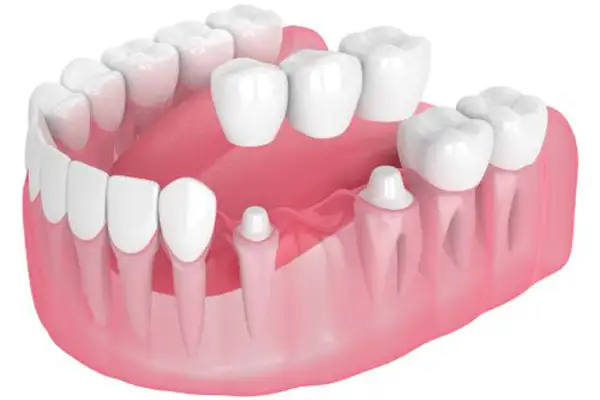
A dental bridge is like a neighborhood of connected parts working together to restore your smile. Each component has a specific job, much like how your natural teeth have different layers and functions:
| Bridge Component | Function | Natural Tooth Equivalent |
|---|---|---|
| Pontic | The artificial tooth that fills the gap | Crown portion of natural tooth |
| Abutment teeth | Natural teeth on either side that support the bridge | N/A – These are your existing teeth |
| Crowns | Caps placed over abutment teeth to anchor the bridge | Outer enamel layer of natural tooth |
| Connectors | Join the pontic to the crowns | Similar to contact points between teeth |
| Span | The entire bridge structure | A row of natural teeth |
Unlike dentures that you take out each night (sometimes ending up in interesting places!), bridges for missing teeth stay put. They’re cemented into place, becoming a permanent part of your smile that you don’t have to worry about slipping at inopportune moments.
What Exactly Is a Dental Bridge?
A dental bridge is essentially your tooth gap’s permanent solution – a fixed prosthetic that replaces missing teeth and stays firmly in place. The most common type (traditional bridge) works by placing artificial teeth in the gap and anchoring them to the natural teeth on either side.
I like to explain it to my patients using a simple analogy: imagine your teeth as a row of people standing shoulder to shoulder. If a few people leave, the remaining folks need to join hands across the gap to maintain the line. That’s what a bridge does – it connects across the empty space to keep everything in proper alignment.
With good care, your bridges for missing teeth can be loyal companions for 5-15 years, sometimes even longer. I’ve had patients proudly show me bridges that have served them well for over a decade! The lifespan really comes down to how well you brush and floss, what you eat, where the bridge is located in your mouth, and how diligent you are about regular check-ups.
Top Benefits of Bridges for Missing Teeth
The perks of getting a dental bridge go far beyond just filling in the gaps in your smile – though that’s certainly a nice bonus!
Restored chewing function means you can finally enjoy that steak or crisp apple again without worrying. Many patients don’t realize how much they’ve been compensating for missing teeth until after their bridge is placed and they can chew normally again.
Improved speech clarity is another benefit that often surprises people. Your teeth play a huge role in how you form sounds, especially those front teeth. Without them, you might develop a lisp or whistle when you speak. A bridge helps you communicate clearly without those distractions.
Maintained facial shape is something we often take for granted until it changes. Your teeth actually provide crucial support for your cheeks and lips. When teeth go missing, your face can start to look sunken or aged. A bridge helps maintain those youthful contours.
Prevention of tooth drift is perhaps the most important benefit from a dental health perspective. Nature abhors a vacuum, and your teeth are no exception – they’ll start to shift toward any empty space, causing misalignment throughout your mouth.
Improved self-confidence might seem like just a “nice to have,” but I’ve seen it transform lives. One of our patients at Crown Point Family Dentistry recently told me, “After getting my bridge, I stopped covering my mouth when I laughed. I hadn’t even realized how much the gap was affecting my confidence until it was gone.” Those words stick with me because they remind me why I love what I do.
Are You a Candidate for Bridges for Missing Teeth?
While bridges for missing teeth are wonderful solutions, they’re not one-size-fits-all. Here’s how to know if bridges might be right for your smile:
You’re likely a good candidate if you have one to four missing teeth in a row with healthy teeth on either side of the gap. Those neighboring teeth need to be strong enough to support their new friends – think of them as the pillars holding up your dental bridge.
Your oral health matters too. Healthy gums free from periodontal disease provide the foundation for a successful bridge. If you have some gum issues, don’t worry – we can often address those first before moving forward.
Being committed to good oral hygiene is essential since bridges require special cleaning techniques. If you’re the type who’s diligent about brushing and flossing, you’re already ahead of the game.
Adequate bone support is another factor, though bridges don’t require as much bone as implants do. As long as there’s enough bone to support those anchor teeth, you should be good to go.
If you’re not checking all these boxes, don’t lose heart! At Crown Point Family Dentistry, we often recommend pre-treatments to improve candidacy, or we might suggest alternative solutions better suited to your specific situation. Our goal is finding the right solution for your unique smile – not forcing a treatment that isn’t ideal for you.
Types, Materials, Costs & Candidacy
Choosing the right bridge for missing teeth is a bit like finding the perfect pair of shoes – it needs to fit well, look good, and serve its purpose comfortably. Let’s explore your options so you can make the best choice for your smile.
Bridge Styles at a Glance
Think of dental bridges as coming in different “architectural styles,” each designed for specific situations in your mouth:
The traditional fixed-fixed bridge is the most common choice we see at our practice. It works like a classic bridge spanning a river – with artificial teeth (pontics) anchored by crowns on the natural teeth on both sides of the gap. This tried-and-true option works wonderfully when you have healthy teeth flanking your gap.
A cantilever bridge takes a different approach, supporting the replacement tooth from just one side. I often describe this to patients as being like a diving board – supported on one end only. While this can be a good solution when you only have one healthy adjacent tooth, we typically don’t recommend them for back teeth where chewing forces are strongest.
The Maryland bridge (also called resin-bonded) offers a more conservative option that many patients appreciate. Instead of full crowns, this design uses metal or porcelain “wings” that bond to the backs of adjacent teeth. One patient told me, “I love that my natural teeth didn’t need to be filed down much for my Maryland bridge.”
For those missing multiple teeth, an implant-supported bridge provides exceptional stability by anchoring to dental implants placed in your jawbone rather than your natural teeth. While more involved initially, these bridges preserve your adjacent natural teeth and often provide the most natural feel and function.
Material Matters
The materials in your bridge affect everything from how natural it looks to how long it lasts:
Porcelain and ceramic bridges create the most lifelike appearance, mimicking the translucency and color variations of natural teeth. We often recommend these for front teeth where your smile is most visible.
Porcelain-fused-to-metal (PFM) bridges offer a reliable “best of both worlds” approach. The metal core provides strength while the porcelain exterior creates a natural look. These bridges have stood the test of time, with a 95% success rate over 10 years.
For patients seeking maximum durability, zirconia bridges deliver exceptional strength without needing a metal base. This newer material has become increasingly popular at our practice for patients who want both aesthetics and durability.
Metal alloy bridges made from gold or other metals remain excellent options for back teeth. While not as aesthetic, they’re incredibly durable and require less reduction of your natural teeth. As one of our patients with a gold bridge joked, “Nobody sees it except my dentist, and he thinks it’s beautiful!”
Composite resin offers a more budget-friendly option, though generally with shorter longevity. We sometimes use these as interim solutions while planning more permanent restorations.
Counting the Cost
Let’s talk frankly about the investment in your smile:
A traditional bridge typically costs between $2,000–$5,000 for a single replacement tooth with crowns on each supporting tooth. Maryland bridges generally run $1,500–$2,500, making them a more affordable option in many cases. Implant-supported bridges represent a larger investment, ranging from $5,000–$15,000 for a bridge supported by two implants.
These costs vary significantly based on where you live. The national average for a traditional bridge is $5,197, but prices in Charlotte may differ from those in other regions.
Most dental insurance plans provide partial coverage for bridges – typically around 50% of the cost up to your annual maximum. At Crown Point Family Dentistry, we believe financial concerns shouldn’t stand between you and a complete smile. Our team will help you understand your insurance benefits and explore financing options to make your treatment affordable.
As Sarah, one of our patients, shared: “I was worried about affording my bridge, but Crown Point’s staff helped me find a payment approach that worked with my budget. Now I smile without thinking twice!”
Deciding If You Qualify
Not everyone is an ideal candidate for every type of bridge. During your consultation, we’ll evaluate several factors:
Your bite mechanics matter significantly – we’ll analyze how your teeth come together to ensure your bridge will function properly without excessive stress. We’ll also check the bone support around potential abutment teeth to confirm they can handle the additional forces a bridge places on them.
Your oral hygiene habits play a crucial role in bridge success. Bridges require consistent cleaning to prevent decay in the supporting teeth. We’ll assess your current routine and show you specialized techniques to care for your new restoration.
The health of adjacent teeth is perhaps the most important factor. Ideal abutment teeth should be largely free from decay and large fillings. We follow a principle called “Ante’s Law,” which essentially means the supporting teeth need to be strong enough to do their job plus support the missing tooth.
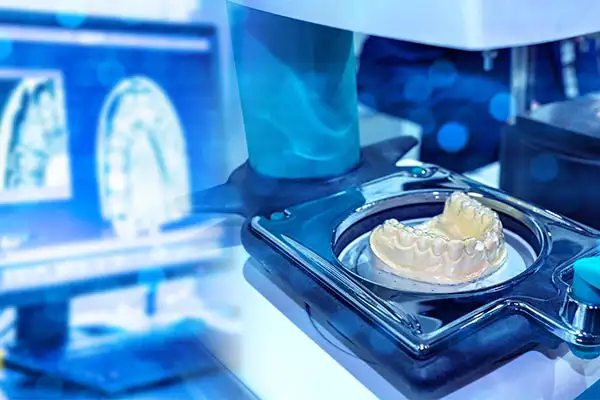
During your visit to Crown Point Family Dentistry, we’ll perform a thorough examination with X-rays and possibly 3D imaging to determine if a bridge is right for you. If not, we’ll discuss alternatives like implants or partial dentures to find the perfect solution for your unique needs.
From Consultation to Recovery: Procedure, Benefits & Risks
Getting bridges for missing teeth isn’t just about the end result—it’s a journey we’ll take together. Let me walk you through what happens from our first conversation to the moment you walk out with your complete smile.
When you’re missing teeth, each day brings little reminders—that awkward moment when food gets caught in the gap, or when you catch yourself hiding your smile in photos. But the path to fixing those gaps is straightforward when you know what to expect.
Step-by-Step Appointment Breakdown
Initial Consultation (1st Visit)
Your journey begins with a conversation. When you visit us at Crown Point Family Dentistry, we’ll take time to understand your concerns and hopes. We’ll examine your mouth carefully, take necessary X-rays, and discuss what might work best for your specific situation.
During this visit, we’ll also talk about costs and payment options. We believe everyone deserves a complete smile, so we’ll work with your insurance and explore payment plans if needed.
Preparation Appointment (2nd Visit)
This is where the magic begins. We’ll make sure you’re comfortable with local anesthesia before carefully reshaping the teeth that will support your bridge. As one dental professional puts it, “The tooth preparation sounds painful, but don’t worry—most patients report minimal discomfort thanks to effective local anesthesia.”
After reshaping, we’ll take impressions to create a perfect model of your teeth. These impressions are your bridge’s blueprint, ensuring it fits perfectly and feels natural. Before you leave, we’ll place a temporary bridge to protect your prepared teeth and keep you smiling confidently while your permanent bridge is being crafted.
Try-In (Optional 3rd Visit)
For some patients, especially when we’re replacing front teeth where aesthetics are crucial, we might schedule a “try-in” appointment. This gives us a chance to check the framework’s fit and make any necessary adjustments before final fabrication. Think of it as the dress rehearsal before the big show!
Placement Appointment (Final Visit)
The day arrives—typically 2-4 weeks after your preparation appointment—when your permanent bridge is ready. We’ll remove your temporary bridge, try in the permanent one, and make any needed adjustments. We’ll check your bite carefully (this is crucial for comfort and longevity) before permanently cementing the bridge in place.
James, who received his bridge last year, told us, “When Dr. Cerasaro placed the permanent bridge, it felt like my own teeth from day one. I went out for lunch right after and had no trouble eating a sandwich!”
Follow-Up
We’ll usually schedule a brief check-up a week or two later to make sure everything is working perfectly and address any questions or concerns you might have.
What to Expect During Healing
The healing process after getting bridges for missing teeth is typically straightforward. Most patients experience only mild discomfort that resolves quickly.
During the first couple of days, you might notice some sensitivity to temperature and slight soreness around your gums. This is completely normal as your mouth adjusts to its new addition. Over-the-counter pain relievers usually take care of any discomfort, and warm salt water rinses can soothe tender gums.
Within 1-2 weeks, most patients fully adapt to their new bridge. As one dental professional beautifully explains, getting used to a new bridge is “like wearing a new ring on your finger—you notice it at first but grow accustomed over time.”
While you’re healing, it’s best to be gentle with your new bridge. Avoid very sticky, hard, or chewy foods initially. An ice pack can help reduce any minor swelling, and following our specific aftercare instructions will ensure smooth sailing.
Potential Drawbacks & How to Avoid Them
While bridges for missing teeth have an excellent track record, it’s important to understand potential challenges so we can work together to avoid them.
Enamel Removal is necessary for traditional bridges, as we need to reshape the supporting teeth to accommodate the crowns. This process is irreversible, which is why we carefully evaluate whether a bridge is truly the best option for you. In some cases, alternatives like Maryland bridges (which require minimal tooth preparation) or implant-supported options might better preserve your natural tooth structure.
Gum and Abutment Tooth Issues can develop if oral hygiene isn’t maintained. The supporting teeth now have an important job, and keeping them healthy is crucial. Regular brushing, flossing with special tools to clean under the bridge, and professional cleanings will go a long way in preventing problems.
The good news about bridges for missing teeth is their impressive longevity. Studies show that with proper care, 72% of bridges remain functional even after 10 years. The most common causes of bridge failure include decay in supporting teeth, material fracture, cement failure, or gum disease—all issues that can largely be prevented with good home care and regular dental visits.
One consideration that’s often overlooked is Bone Loss. Unlike dental implants, bridges don’t stimulate the jawbone where teeth are missing, which may lead to some bone resorption over time. For areas where preserving bone is particularly important, we might discuss implant-supported bridge options.
At Crown Point Family Dentistry, we take a thoughtful approach to every bridge we place. We carefully consider these factors when recommending treatment options and design bridges that minimize risks while maximizing the benefits to your smile and overall oral health.
With the right care and attention, your bridge can provide years of comfortable chewing, confident smiling, and improved quality of life. And we’ll be with you every step of the way, from that first consultation through years of follow-up care.
Care, Longevity & FAQs about Bridges for Missing Teeth
Your new bridge for missing teeth isn’t just a beautiful smile restoration—it’s an investment in your oral health that deserves proper care. With the right maintenance routine, your bridge can serve you comfortably for many years to come.
Daily Maintenance Checklist
Taking care of your dental bridge doesn’t have to be complicated, but it does require a bit more attention than your natural teeth. Think of it as giving a little extra love to your new smile!
Your soft-bristle toothbrush will be your bridge’s best friend. Brush thoroughly at least twice daily, paying special attention to the area where your bridge meets your gums. Many of our patients find electric toothbrushes particularly effective for cleaning around their bridges, as the vibrating motion helps dislodge plaque in those hard-to-reach spots.
“The space under the pontic is like a secret hiding place for bacteria,” explains our hygienist Sarah. “That’s why we always show our patients how to use floss threaders during their bridge placement appointment.”
Indeed, cleaning under your bridge is crucial. Floss threaders work like tiny dental needles, helping you guide floss under the artificial tooth. Once the floss is in position, gently move it back and forth to sweep away any food particles or plaque. For patients who find threading challenging, water flossers have become a game-changer, directing a precise stream of water to flush out debris from under the bridge.
Interdental brushes—those tiny Christmas tree-shaped cleaning tools—are perfect for cleaning around the connections of your bridge. Their tapered design allows them to reach spots your regular toothbrush simply can’t access.
One patient recently told me, “I thought keeping my bridge clean would be a hassle, but now it’s just part of my routine—five extra seconds that protect my investment.”
Extending Bridge Lifespan
While the average lifespan of a dental bridge is 5-15 years, we’ve seen many patients enjoy their bridges for much longer with proper care. Think of your bridge maintenance as a relationship—the more you put into it, the more you’ll get out of it!
Be mindful of what you chew. Your bridge is strong, but not indestructible. Avoid chomping on ice cubes, cracking nuts with your teeth, or biting into extremely hard candies. These habits can damage not just your bridge but your natural teeth as well.
Guard your smile. If you’re a nighttime teeth grinder, a custom night guard is essential protection for your bridge. Similarly, if you play sports, a properly fitted mouthguard can prevent damage from unexpected impacts.
Keep your regular check-ups. We recommend visiting us at Crown Point Family Dentistry every six months so we can professionally clean around your bridge and check that everything remains in perfect condition. Some patients benefit from more frequent cleanings, especially in the first year after getting their bridge.
“Prevention is always easier than repair,” as Dr. Cerasaro often reminds our patients. “The small investment of time in daily care saves both money and discomfort down the road.”
Frequently Asked Questions about Bridges for Missing Teeth
How do I clean under the pontic of my bridge?
This is our most common question! Use a floss threader or super floss to steer under the artificial tooth daily. Water flossers are also excellent for this purpose. During your appointments at Crown Point Family Dentistry, we’re always happy to demonstrate the technique again if you need a refresher.
Will my speech be affected by my new bridge?
You might notice minor changes in your speech during the first few days as your tongue adapts to the new contours in your mouth. Most patients adjust quickly, and if you had missing teeth before, you’ll likely find your speech actually improves once you adapt to your bridge. One patient laughed when telling me, “I didn’t realize how much I was whistling through my gap until my bridge fixed it!”
Can I eat normally with a dental bridge?
Absolutely! After a brief adjustment period, you should be able to enjoy most of your favorite foods again. We do suggest cutting tougher foods into smaller pieces and chewing evenly on both sides of your mouth. Your bridge will thank you for avoiding super sticky caramels and hard candies that might challenge its cement bond.
How long will my bridge last?
With proper home care and regular dental check-ups, bridges for missing teeth typically last 5-15 years. We’ve seen many patients at Crown Point Family Dentistry enjoy their bridges for well over a decade when they’re diligent about maintenance.
Will my bridge look natural?
Today’s dental bridges are crafted to blend seamlessly with your natural teeth. We take detailed impressions and carefully match the color, translucency, and shape to your existing teeth. Most patients tell us that even their close family members can’t tell which teeth are part of the bridge!
Can a damaged bridge be repaired?
Minor issues can sometimes be addressed without replacing the entire bridge, but significant damage typically requires a new bridge. This is why we emphasize preventive care so strongly—it’s much easier to protect your bridge than to replace it.
Will my insurance cover a dental bridge?
Most dental insurance plans provide partial coverage for bridges, typically around 50% up to your annual maximum. Our friendly team at Crown Point Family Dentistry will help you steer your specific coverage and explore comfortable payment options for any remaining costs.
A well-maintained bridge isn’t just about aesthetics—it’s about preserving your overall oral health. The effort you put into caring for your bridge pays dividends in comfort, function, and confidence for years to come.
Scientific research on implant-supported bridges
Conclusion & Next Steps
A smile with missing teeth is like a beautiful painting with blank spaces – it’s still yours, but something important is missing. If you’ve made it this far in our guide, you now understand how bridges for missing teeth can beautifully restore both the function and appearance of your smile.
Throughout our journey together, we’ve explored everything from the basics of how bridges work to the nitty-gritty of caring for them. You’ve learned about different materials that might suit your needs, what to expect during appointments, and how to keep your bridge looking great for years to come.
At Crown Point Family Dentistry, we don’t just see teeth – we see the person behind the smile. Our practice brings over five decades of experience to Charlotte and surrounding communities, with a philosophy that puts relationships first. We’re proudly non-corporate, which means we have the freedom to focus on what really matters: providing personalized care that meets your unique needs.
What makes our approach different is our blend of old-fashioned care with cutting-edge technology. We believe in taking the time to listen to your concerns, explain your options in plain English, and create treatment plans that respect both your oral health needs and your budget.
Ready to close that gap and regain your confidence? Here’s how to move forward:
First, schedule your initial consultation through our website. During this visit, we’ll examine your teeth, discuss your goals, and answer any questions you might have about the process.
Next, we’ll work together to create a personalized treatment plan, including timeline and payment options. We’re experts at helping patients maximize their insurance benefits and can discuss financing options that make your care affordable.
Each day with missing teeth means continued bone loss and potential shifting of your remaining teeth. Your smile is too important to put on hold – and with bridges for missing teeth, you don’t have to.
We look forward to welcoming you to our Crown Point Family Dentistry clinic in Charlotte. Together, we’ll bridge the gap between the smile you have and the smile you deserve.
Want to learn more about our services? Visit our complete guide to crowns and bridges or read about how to care for your new restoration.
Your journey to a complete, confident smile starts with a single step – we’re here to walk alongside you every step of the way.