
Teeth Whitening in Charlotte, NC
Brighten stained or discolored teeth with professional teeth whitening using our in-office whitening or custom take-home trays.
Teeth Whitening in Charlotte
Professional teeth whitening lightens the natural enamel of your teeth without covering the tooth or changing its shape. It can reduce discoloration from coffee, tea, red wine, tobacco, and years of everyday eating and drinking while leaving the underlying tooth structure intact.
Dr. Chris Cerasaro begins whitening treatments by evaluating your current tooth color, the condition of your enamel and gums, and any crowns, veneers, bonding, or tooth-colored fillings that may affect the final result. From there, we can recommend either in-office whitening or custom take-home trays based on how quickly you want to lighten your teeth and how you would like to maintain the shade afterward.
Before We Whiten Your Teeth
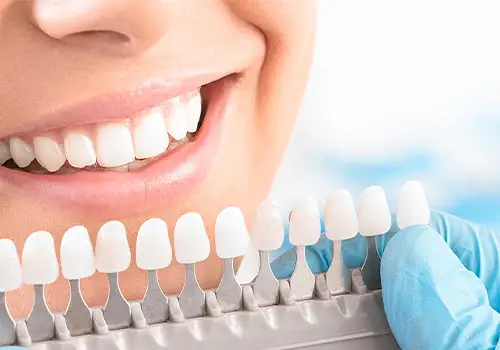
A successful whitening treatment begins with healthy teeth and gums. Before applying whitening gel, we examine the enamel and gum tissue and record your starting shade so we have a consistent point of comparison. We also look for decay, worn areas, gum irritation, or other dental concerns that should be addressed first.
If plaque or tartar buildup would interfere with the whitening gel, we may recommend a professional cleaning before treatment. Existing dental restorations also matter when choosing a whitening goal. Dental crowns, veneers, bonding, and tooth-colored fillings do not lighten with whitening gel. They remain the shade they were when they were placed.
That does not necessarily prevent you from whitening your teeth. It simply means we need to consider how your natural enamel will look beside those restorations once it becomes lighter.
For example, if you have a crown or bonded area on a front tooth, we may recommend whitening the natural teeth first and then deciding whether the restoration needs to be replaced to match the new shade. We discuss that before treatment so there are no surprises afterward.
In-Office Teeth Whitening
In-office whitening is generally the better choice when you want a noticeable change completed during a dental appointment rather than gradually at home.
We protect the gum tissue and apply professional-strength peroxide gel directly to the natural enamel. The concentration of the gel and the amount of time it remains on the teeth are selected according to your starting shade and your history of tooth sensitivity.
Some professional whitening systems use a light as part of the treatment process. Others rely on the whitening chemistry alone. If a light is appropriate for the product being used, we incorporate it into the appointment rather than using it simply because it is associated with whitening.
Your teeth will appear lighter when the appointment is finished, although the final shade should not be judged immediately. Teeth temporarily lose moisture during whitening and gradually rehydrate afterward. The color settles as that happens.
We will explain what to expect and provide instructions for protecting the new shade during the first several days.
Custom Take-Home Whitening Trays
Custom whitening trays allow you to lighten your teeth more gradually and give you a convenient way to refresh the shade later.
We take a record of your teeth and create trays designed to fit closely over your enamel. A precise fit helps keep the whitening gel where it belongs and makes it easier to remove any excess from the gumline.
You place the prescribed amount of gel into the trays and wear them for the length of time we recommend. Whitening usually occurs gradually over several days or weeks rather than during a single appointment.
The advantage of custom trays is that they can continue to be used after the initial whitening treatment. If staining begins to return over time, we can provide additional gel and tell you how often to use it for touch-ups.
For patients who drink coffee, tea, red wine, or other strongly colored beverages regularly, having a reliable maintenance option can be particularly useful.
How Professional Whitening Works
Tooth discoloration is not always limited to the surface. Brushing and professional dental cleanings are effective at removing plaque, tartar, and some external staining, but they cannot change pigments located within the tooth.
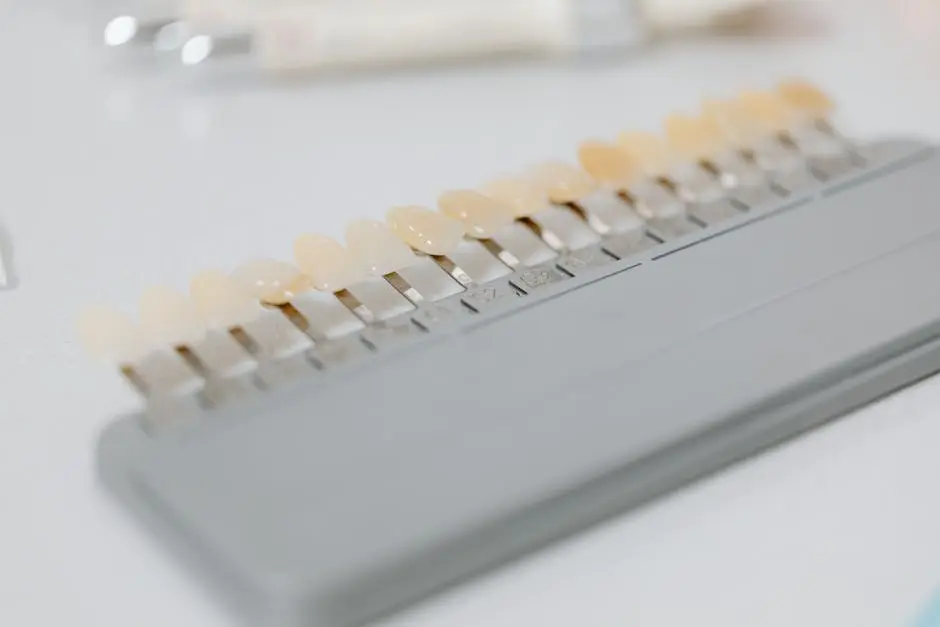
Peroxide-based whitening gel penetrates the enamel and breaks down compounds responsible for discoloration. As those compounds change, the tooth appears lighter.
Surface staining from food and beverages often responds well to whitening. Natural yellowing that develops gradually over many years may also improve significantly. Gray, brown, or banded discoloration associated with certain medications or with changes that occurred while the permanent teeth were developing can extend deeper into the tooth structure. Whitening may still improve those teeth, but the response can be less predictable.
When whitening alone cannot provide the desired improvement, we can discuss whether another cosmetic dentistry option, such as bonding or veneers, would be more appropriate. Whenever the natural enamel can provide the result you are looking for, whitening is generally the more conservative treatment.
Is Teeth Whitening Right for You?
Professional whitening is intended to change tooth color. It does not correct crowding, gaps, chipped teeth, worn edges, or changes in tooth shape.
During your examination, we can identify whether discoloration is the primary concern or whether another cosmetic treatment would better address what you are seeing.
We also evaluate younger patients individually. Permanent teeth continue to mature after they erupt, so whitening for teenagers should be considered only after examining the enamel and determining whether treatment is appropriate.
For younger children, we first determine why the tooth appears discolored and discuss treatment options based on the cause and the child’s stage of dental development.
Keeping Your Teeth Whiter
No whitening treatment permanently prevents new staining. Your long-term result depends partly on your eating and drinking habits and partly on routine dental care.
During the first few days after in-office whitening, we may recommend limiting strongly pigmented foods and beverages while the teeth rehydrate and the shade settles.
After that, you can return to your normal diet.
Regular professional cleanings help remove surface deposits before they become more noticeable. If you have custom whitening trays, occasional touch-ups can also help maintain the shade.
We base the maintenance schedule on your habits rather than giving every patient the same timetable. Someone who drinks several cups of coffee each day may need a different schedule than someone who rarely consumes dark beverages.
What About Tooth Sensitivity?
Temporary sensitivity can occur during or after whitening, particularly if your teeth have reacted to peroxide products in the past.
Please tell us if you have experienced sensitivity with whitening strips, gels, toothpastes, or previous professional treatments. That history helps us choose the concentration, treatment time, and schedule more carefully.
The goal is not simply to use the strongest whitening product available. It is to achieve a meaningful improvement while keeping the treatment appropriate for your teeth.
Schedule Your Teeth Whitening Today
Our dental clinic is located on Monroe Road in the Crown Point business area of Southeast Charlotte.
Patients visit our office from Charlotte, Matthews, Mint Hill, and surrounding communities for preventive, restorative, and cosmetic dental care.
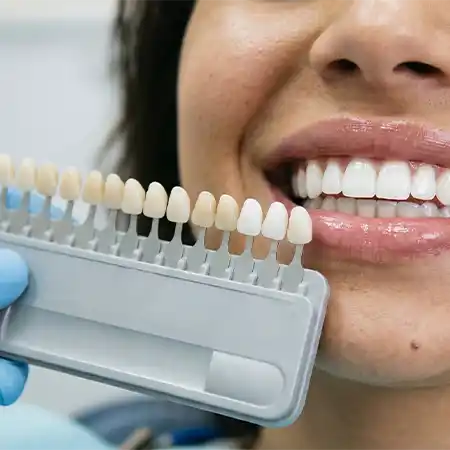
If you already have a dental examination scheduled, we can evaluate your tooth shade and discuss whitening during that visit. If you are a new patient, you are welcome to schedule an examination and whitening consultation.
Bring information about any whitening products you have previously used, particularly if they caused sensitivity. Also let us know about crowns, veneers, bonding, or tooth-colored fillings within your smile so Dr. Cerasaro can plan the whitening shade around the dental work you already have.
Frequently Asked Questions About Professional Teeth Whitening
Why do some teeth whiten more predictably than others?
The response to whitening depends partly on where the discoloration is located and what caused it. Yellowing associated with aging and many food or beverage stains generally respond more predictably because peroxide can penetrate the enamel and alter the pigmented compounds within the tooth.
Gray, brown, or banded discoloration may behave differently, particularly when it developed while the permanent teeth were forming. Tetracycline exposure, fluorosis, developmental enamel changes, previous trauma, and changes within the pulp can all affect how evenly and how much a tooth lightens.
The starting color of the dentin also matters because enamel is naturally translucent. Whitening changes the appearance of the natural tooth, but it cannot make every tooth reach the same predetermined shade. This is one reason we evaluate the type and distribution of discoloration before deciding how aggressively a tooth should be whitened.
Why can teeth look unusually white immediately after professional whitening?
Teeth can appear temporarily lighter immediately after an in-office whitening treatment because they become somewhat dehydrated during the procedure. A dehydrated tooth reflects light differently from a normally hydrated tooth and may look brighter, more opaque, or chalkier than it will after its moisture content returns to normal.
As the teeth rehydrate, some of that immediate brightness decreases, and the color settles into a more representative shade. This is not the whitening treatment “wearing off” within a day. It is partly the optical effect of the enamel returning to its normal hydration.
For that reason, we do not use the appearance of a freshly whitened, dehydrated tooth as the final reference for restorative shade matching. The tooth should be allowed to rehydrate and the whitening result should stabilize before an important cosmetic shade decision is made.
Why does professional teeth whitening sometimes cause temporary sensitivity?
Hydrogen peroxide and carbamide peroxide can pass through enamel and dentin. That movement is what allows whitening agents to reach discoloration within the tooth rather than simply removing stains from the surface.
During that process, peroxide can temporarily stimulate or irritate the tissues within the tooth, producing short episodes of sensitivity. Some patients notice sensitivity to cold, while others describe brief spontaneous sensations or a temporary “zing” in individual teeth.
The likelihood and intensity of sensitivity can be influenced by peroxide concentration, contact time, exposed dentin, gum recession, existing restorations, and an individual’s previous sensitivity history. More gel or a stronger concentration is therefore not automatically better. If you have experienced sensitivity with whitening products before, we can modify the concentration, application time, or treatment schedule rather than simply abandoning whitening altogether.
Why don't crowns, veneers, bonding, and tooth-colored fillings whiten?
Whitening agents change pigments within natural tooth structure. Crowns, porcelain veneers, composite bonding, and tooth-colored fillings are manufactured restorative materials, so peroxide does not lighten them in the same way that it lightens enamel and dentin.
This becomes important when a restoration is visible within the smile. If the surrounding natural teeth become several shades lighter, a crown or bonded area that matched before whitening may appear darker afterward even though nothing has happened to the restoration itself.
We therefore identify visible restorations before treatment and plan the whitening endpoint around them. In some cases, an existing restoration still blends well after whitening. In others, a restoration may eventually need to be replaced if the patient wants it matched to the newly lightened natural teeth. That possibility should be discussed before whitening begins rather than discovered afterward.
Should teeth be whitened before a crown, veneer, or bonding procedure?
When whitening is part of a larger cosmetic treatment plan, it is generally preferable to whiten the natural teeth before selecting the final shade of a new crown, veneer, or bonded restoration.
The reason is straightforward: natural teeth can be lightened, while the completed restoration cannot. If a restoration is made first and the surrounding teeth are whitened later, the natural enamel may become lighter than the restoration.
After whitening, we allow the tooth color to settle before making critical shade decisions. This gives us a more reliable reference for matching the restorative material to the surrounding enamel. The timing is particularly important in the front of the mouth, where small differences in value, translucency, and color can be noticeable.
Whitening first also allows us to determine how much improvement can be achieved conservatively before deciding how much restorative treatment is actually necessary.
Why can one tooth respond differently to whitening than the surrounding teeth?
A tooth that is noticeably darker than neighboring teeth may not simply have more surface staining. Differences between individual teeth can result from previous trauma, changes in the dental pulp, root canal treatment, developmental enamel differences, calcification within the tooth, existing restorations, or intrinsic discoloration located deeper within the tooth structure.
Those teeth may respond more slowly, respond incompletely, or occasionally require a different treatment approach.
For example, a discolored tooth that has previously undergone root canal treatment may sometimes be treated with an internal whitening technique rather than relying only on whitening gel applied to the outside of the tooth. A tooth that darkened after an injury should also be evaluated to determine why the color changed before cosmetic treatment begins.
When a single tooth does not match the rest of the smile, identifying the cause is more important than simply applying additional whitening gel.
What types of discoloration are least responsive to professional whitening?
Deep intrinsic discoloration is generally less predictable than staining associated with food, beverages, tobacco, or ordinary aging.
Teeth with pronounced gray or banded discoloration from tetracycline exposure can require a longer treatment period and may not become completely uniform. Developmental changes within enamel or dentin, some forms of fluorosis, previous dental trauma, and discoloration associated with changes inside the tooth can also produce results that differ from ordinary yellowing.
The distinction is important because repeatedly increasing peroxide concentration does not necessarily overcome the underlying cause of the color.
We first determine how much improvement can reasonably be achieved with whitening. If the enamel lightens but an underlying color difference remains, other conservative cosmetic options can then be considered. Whitening is often still useful in these cases because it establishes the lightest natural baseline before decisions are made about bonding, veneers, or other restorative treatment.
How soon after whitening can bonding or other adhesive dental work be performed?
Whitening and adhesive dentistry are usually not scheduled back-to-back. Peroxide exposure can temporarily interfere with the ability of some adhesive systems to bond predictably to freshly whitened enamel or dentin. In addition, the tooth color immediately after whitening may not yet represent the stabilized shade because the enamel is still rehydrating.
For those reasons, we may allow approximately one to two weeks between the completion of whitening and elective bonding or other adhesive cosmetic treatment, depending on the whitening system, the tooth being treated, and the restorative material being planned.
That interval serves two different purposes: it allows the whitening result to stabilize so the restorative shade can be selected more accurately, and it gives the tooth surface time to return to a more favorable condition for adhesive treatment.
If whitening and restorative dentistry are both part of your treatment plan, we sequence the appointments rather than treating them as unrelated procedures.
Call today to schedule a teeth whitening visit at Crown Point Family Dentistry.
Phone
Address
9101 Monroe Rd #130, Charlotte, North Carolina 28270
Hours of Operation
Monday – Thursday: 8:00 AM – 5:00 PM
Friday 8:00 AM – 1:00 PM
Saturday & Sunday Closed